
Uncategorized
Comprehensive Review of New Jetskis for Sale: Find the Right Fit for Your Water Adventures
Introduction
Purchasing a new jetski offers exciting opportunities for water recreation, but with numerous models, brands, and features available, making an informed choice can be challenging. This guide provides detailed guidance based on expert knowledge and real-world insights to help you select the best jetski for your needs. Whether you’re a first-time buyer, an experienced rider, or looking for models available in Melbourne, Auckland, Perth, or nearby areas, this article will clarify what to consider when choosing a new jetski.
Understanding the Real-World Use of a New Jetski
While jetskis are designed for fun and quick water access, their performance varies significantly based on usage. Recreational models emphasize ease of handling and safety features for casual rides with family. Touring models prioritize comfort, extended rides, and storage options essential for longer water trips. High-performance models are built for speed, agility, and adrenaline, suited for frequent riders seeking maximum thrill. Luxury models combine technology with premium comfort, appealing to buyers who desire both fun and status.
From the moment a jetski is used in real conditions, it becomes clear that no single model fits all scenarios. Light usage may reveal shortcomings such as limited storage, while long rides can expose ergonomic or cooling issues. Heavy use—like weekend trips or competitive events—tests engine durability and hull strength, influencing maintenance costs and long-term satisfaction.
How Popular Models Perform Under Different Conditions
Most new jetskis handle daily recreational use effectively, delivering smooth acceleration, reliable starts, and predictable handling. User-friendly controls and simplified interfaces enhance initial experiences. However, these features can sometimes give a misleading impression during longer or more demanding rides. Smaller engines suitable for casual riding might struggle with sustained speeds or rough waters.
High-performance models with engines exceeding 160 horsepower excel in acceleration and top speed but require attentive handling, especially in choppy conditions. During extended use, such models generate more heat, which can impact cooling systems if not properly maintained. Luxury models equipped with electronic features like GPS or safety tether controls perform well initially, but their complexity demands regular servicing to prevent issues.
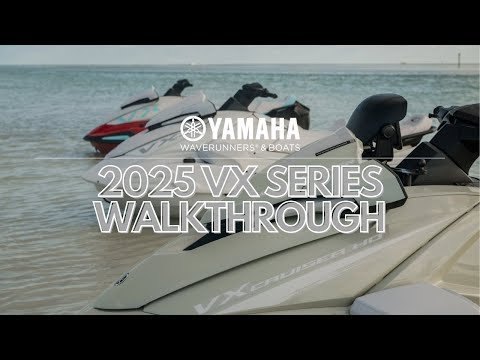
Hull design is critical for stability: V-shaped hulls provide high-speed stability and wake resistance, making them ideal for open water, while flat-bottom hulls offer agile maneuverability in lakes and narrow inlets. Understanding these behaviors ensures better preparedness for your typical riding environments.
Real-Life Usage Scenarios and Practical Examples
Consider a buyer in Melbourne seeking a jetski for weekend family outings. A stable, easy-to-handle model with safety features allows beginners and children to enjoy calm bays. For coastal trips or lake excursions, models with built-in storage and comfortable seating enhance the experience.
Auckland riders aiming for thrills benefit from high-performance jetskis with powerful engines, but must anticipate rigorous maintenance routines—fueling, cooling, and regular servicing—especially during frequent or prolonged rides.
In Perth, where water conditions often involve saltwater and choppy seas, offshore durability, reinforced hulls, and corrosion-resistant materials are vital. Local dealers often stock models tailored to these conditions, ensuring longevity and reliable performance under demanding circumstances.
Nearby buyers should consider logistical factors: dealer proximity, availability of spare parts, and test ride opportunities. Test rides help reveal ergonomic comfort, control intuitiveness, and handling in conditions similar to your typical rides, helping avoid surprises after purchase.
Price, Performance, and Practicality
Prices generally range from around $6,000 for basic models to over $20,000 for premium, high-performance variants. Entry-level jetskis are suitable for beginners and casual riders but may require more repairs or upgrades over time. Mid-range models offer balance—reliable, user-friendly, with sufficient power and features for diverse water conditions.
High-end models boast superior engine technology, advanced electronics, and robust hulls, justifying their higher price tags. However, they entail higher ongoing costs—fuel, maintenance, and repairs. Turbocharged engines accelerate quickly but demand meticulous care to prevent overheating or mechanical failure.
Selecting the right model involves weighing budget constraints against desired features—safety and ease of use versus adrenaline-fueled performance. Long-term considerations like maintenance costs and resale value are also important factors.
Location-Based Buying Tips
Melbourne
The region’s diverse waterways require models resilient to both salt and freshwater. Local dealers typically showcase popular brands like Sea-Doo, Yamaha, and Kawasaki, with service centers equipped to handle saltwater corrosion and regional conditions.
NZ (New Zealand)
Salt exposure and rugged coastlines influence your choice. Import taxes and regional regulations can impact prices and warranty options. Models proven in saltwater environments tend to be more durable and cost-effective long-term.
Perth
Saltwater and choppier seas necessitate durable hulls and corrosion-resistant materials. Regional dealerships stock models designed for saltwater, offering better performance and longevity under tough conditions.
Nearby Markets
Accessibility to nearby dealers, test ride opportunities, and support services are crucial. Local purchases often facilitate quicker service and better post-sale support, especially important when dealing with maintenance or unexpected issues.
Practical Buying Steps
- Establish your budget, noting that entry-level models typically start at $6,000–$8,000, while premium models exceed $15,000.
- Assess your riding needs—frequent long trips, family outings, thrill rides—and select models with appropriate features.
- Research dealer options and inquire about warranty 2024 yamaha fx cruiser svho coverage, available financing plans, and service support.
- Schedule test rides to evaluate comfort, handling, and control in real conditions similar to your intended usage.
- Inspect maintenance points and accessibility for regular servicing—this simplifies ongoing upkeep and durability.
Choosing the Right Jetski for You
Match your skill level and riding style to the jetski’s design. Beginners benefit from models emphasizing stability, safety features, and easy controls. Experienced riders seeking performance should consider high-horsepower models, understanding they require regular maintenance and larger budgets.
Remember that investment in a durable, well-maintained jetski enhances safety, reliability, and resale value. Prioritize models that meet your primary needs—whether safety, performance, or comfort—to maximize enjoyment on the water.
Expert Recommendations
- Beginners: Yamaha WaveRunner EX or Sea-Doo Spark—user-friendly with safety-focused features.
- Performance Enthusiasts: Kawasaki Sea-Doo RXP-X or Yamaha GP Series—powerful and sporty, but require attentive maintenance.
- Families and Tourers: Yamaha VX Series or Sea-Doo GTX—comfortable, stable, with ample storage for longer excursions.
- Budget Shoppers: Consider lightly used models with warranties or entry-level new models for good value—see Looking for a jet ski for sale in Sydney? Here are some options to consider:
1. Local Dealerships:
– Sydney Jet Ski Centre
– Marine City Sydney
– Marine Warehouse Sydney
2. Online Marketplaces:
– Gumtree Australia (search “Jet Ski for Sale Sydney”)
– Facebook Marketplace
– eBay Motors Australia
3. Classifieds and Auctions:
– Trading Post
– BoatAuction.com.au
4. Tips:
– Check the vessel’s age, hours, and maintenance history.
– Inspect or have a professional inspect before purchase.
– Consider brand reputation such as Yamaha, Sea-Doo, or Kawasaki.
– Verify registration and legal transfer requirements in NSW.
5. Popular Models in Sydney:
– Yamaha WaveRunner VX Series
– Sea-Doo Spark
– Kawasaki Jet Ski STX SeriesContact sellers activev pulse golf cart 6p lifted directly for details on pricing, availability, and test rides.(https://example.com/jet-ski-for-sale-sydney).
Conclusion
Selecting a new jetski involves balancing your riding preferences, water conditions, budget, and desired features. Understanding how models perform in real-world scenarios ensures you make a practical choice. Prioritize test rides and honest evaluations over marketing claims to find a machine that delivers ongoing enjoyment and reliability.
With careful research and support from regional dealerships, you can enjoy water adventures with confidence and minimal frustrations. Taking the time to choose wisely kilworth ferrari 340 two wheel tractor ensures your investment offers fun, safety, and value for years to come.
Summary
Avoid rushing into a purchase; evaluate your water conditions, riding style, and budget. Focus on models known for durability and safety, and leverage test rides to ensure comfort. Long-term maintenance and regional compatibility are key to satisfying, trouble-free ownership. Informed decisions lead to more enjoyable water experiences and reliable performance.
Related Guides
FAQ
What should I consider when buying a new jetski?
Focus on your intended water conditions, riding experience, storage needs, and budget. Test rides and dealer support are essential to assess comfort and reliability.
How much does a new jetski cost?
Prices range from approximately $6,000 for entry-level models to over $20,000 for high-performance or luxury options. Budget appropriately to match features and durability expectations.
Are high-performance jetskis suitable for beginners?
Generally, no. High-performance models require advanced handling skills and regular maintenance. Beginners should start with models designed for ease of use and safety.
