Uncategorized
Comprehensive Review: Finding the Right Jet Ski for Sale in California
Buying a jet ski in California offers an exciting opportunity to enjoy the state’s diverse waterways, from coastal waters to inland lakes. This guide provides expert insights into selecting the ideal watercraft, considering practical factors such as regional use, model characteristics, pricing, and maintenance. Whether you’re a beginner, a casual rider, or a seasoned enthusiast, understanding these elements will help you make an informed purchase and enhance your water adventures.
Understanding the California Market: Beyond the Labels
The California jet ski market features a broad selection of models available through dealerships and private sales. During peak seasons, demand for both new and used watercraft increases, with popular models like Yamaha FX140, Kawasaki Ultra 250X, and Sea-Doo Challenger 180 SE accounting for a significant share. Actual performance in the water depends on each model’s specifications and condition. While regional demand influences availability, the real-world behavior of these jet skis—such as handling, responsiveness, and fuel efficiency—varies based on water conditions and maintenance history.
What Does Buying a Jet Ski Really Mean in Practice?
In use, engine condition and operational hours are critical indicators of a jet ski’s reliability. For instance, a Yamaha FX140 with approximately 122 engine hours can deliver excellent performance, feeling quick and responsive. However, a unit clocking 270 hours might require more maintenance to sustain optimal performance. Heavy usage—including frequent high-speed cruising or navigating choppy waters—accelerates wear, impacting longevity and maintenance needs.
Modern four-stroke engine models provide smoother, quieter rides with improved fuel efficiency—benefits that are especially noticeable in coastal areas like Los Angeles or San Diego. Conversely, older two-stroke models may be more affordable but demand diligent maintenance and often provide a rougher ride, particularly in demanding conditions. When exploring waters near Los Angeles or San Diego, 2025 kawasaki ultra 160lx s angler these differences can significantly influence your riding experience and ongoing costs—learning more about models like the Yamaha FX140 or Kawasaki Ultra 250X will help you choose appropriately.
Pricing Realities and Added Costs
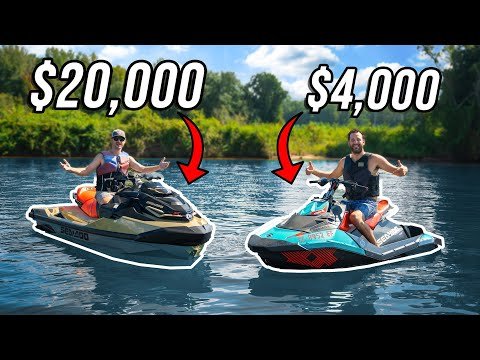
Price points vary based on model, age, and condition. Typically, a used Yamaha FX140 ranges from $4,000 to $6,000, while higher-performance models such as Kawasaki Ultra 250X can exceed $12,000, especially with low engine hours and additional features. The initial purchase often includes a trailer—usually a Zieman brand for ease of transport—which is essential for inland or coastal launching.
Additional expenses include registration fees, safety gear, covers, and accessories. California law 2025 yamaha fx cruiser ho mandates registration and trailer safety features, often handled by dealerships but sometimes excluded in private sales. For buyers in Fresno or San Diego, investing in protective accessories and winterization prolongs watercraft lifespan but requires planning for storage and maintenance, especially during the off-season.
The Role of Trailers and Accessories in Your Watercraft Experience
Transporting your jet ski safely involves selecting an appropriate trailer—single or double-axle depending on the jet ski’s size and weight. High-quality trailers reduce transit damage and simplify launching routines. The overall investment increases with trailer quality but ensures compliance with safety regulations on California roads.
On the water, accessories such as safety gear, extra storage, and protective covers improve safety and convenience. Adjustable handlebars, which can be set up to 18 positions, enhance rider comfort, especially for longer trips or multiple users. Beginners should pay particular attention to the power of the engine, as models like the Kawasaki Ultra 250X deliver significant acceleration that requires proper handling skills and training.
Brand Comparisons in Action
In real-world scenarios, Yamaha FX140s are renowned for their durability, ease of maintenance, and predictable handling—making them ideal for lakes and coastal trips. Sea-Doo Challenger models offer modern styling and versatility but can require more frequent servicing, especially in older units. Kawasaki Ultra 250X’s supercharged engine delivers exhilarating acceleration suited for thrill-seekers, but its higher maintenance demands make it less suitable for casual or inexperienced riders.
For example, a family boating around Fresno’s reservoirs might prefer the Yamaha for its simplicity and reliability, while an adrenaline junkie racing across San Diego’s bay might favor Kawasaki’s responsiveness. Identifying common issues, such as minor recalls or wear points, emphasizes the importance of thorough inspection and responsible maintenance before purchasing.
Dealerships vs. Private Sellers: What Works in California?
Dealerships like East Bay Motorsports and Del Amo offer certified pre-owned watercraft, warranties, and detailed service histories. These options provide greater peace of mind and often ensure the jet ski is ready for immediate use, though typically at a higher cost. Private sellers may offer lower prices and more flexible negotiating, but buying privately requires meticulous inspection and verification of maintenance records. Thorough testing during a trial run is essential, especially for California buyers who need to account for diverse water and climate conditions.
Location Considerations and Usage Scenarios
California’s varied waterways influence the type of jet ski suitable for your needs. Coastal waters favor high-performance or supercharged models for ocean navigation, while inland lakes like those near Fresno benefit from durable, moderate-power craft designed for calmer conditions. Storage options also vary—oceanfront owners often prefer indoors or covered slips, whereas inland users may rely on trailers and outdoor protection, necessitating covers and winterization.
Size and maneuverability are key factors in tight marinas and launch ramps. Compact models like the Yamaha FX140 excel in narrow spaces and are easier to transport, while larger Kawasaki models offer stability in open waters but require more space and powertrain management during launching and storage.
Myth Busting and Realities
Many buyers assume newer models are inherently yamaha waverunner fx cruiser ho better, but recent models with advanced features like supercharging may entail higher maintenance and operating costs. Engine hours are a more reliable indicator of wear—an expertly maintained 200-hour jet ski can outperform a neglected 50-hour unit. High-powered models deliver adrenaline but may be overkill for casual or beginner riders, and their higher operating costs can be a deterrent.
Trailers are frequently overlooked but are essential for safe, legal transport. Poorly maintained or inappropriate trailers can lead to safety hazards or legal issues during transport across California’s roadways, so investing in quality gear is a prudent step.
Choosing the Right Fit: Recommendations Based on Your Use
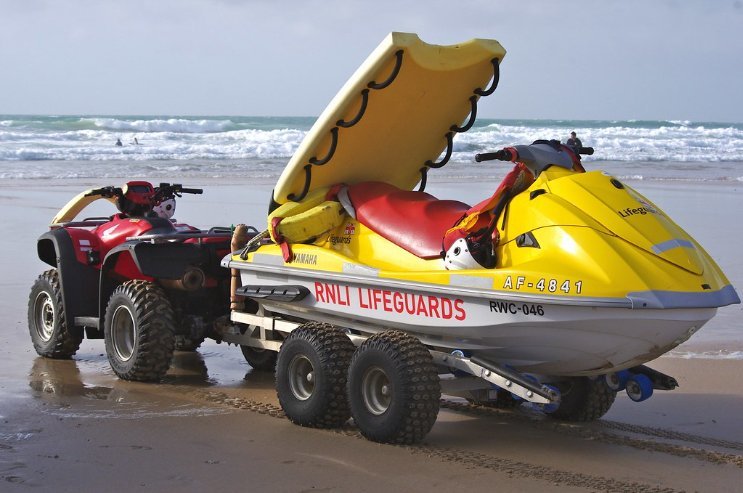
If you are new to watercraft or seeking relaxed recreation, a Yamaha FX140 provides reliable, manageable performance at a reasonable price. For thrill-seekers, Kawasaki’s supercharged Ultra 250X offers exhilarating speed but requires careful maintenance and handling skills. Budget-conscious buyers should focus on well-maintained used models from trusted sources, ensuring thorough inspection and verification of the vehicle’s history. Long-term owners will benefit from dealership warranties and service plans that simplify upkeep.
Final Thoughts: Making the Right Decision
The ideal jet ski in California depends on your specific priorities—whether it’s performance, budget, ease of maintenance, or safety features. High-powered models like Kawasaki Ultra 250X offer excitement but demand more experience and care. Conversely, selecting a well-maintained used watercraft from reputable sources can provide excellent value without sacrificing reliability.
Always conduct comprehensive inspections and test rides before finalizing your purchase. Being familiar with local regulations and understanding the conditions where you plan to ride will ensure your watercraft delivers maximum enjoyment. With the right choice, your jet skiing adventures along California’s waters will be enjoyable and hassle-free.
Summary
Choosing the right jet ski in California involves evaluating watercraft condition, usage environment, and your riding experience. Consider model specifications, maintenance history, and transportation logistics. Dealerships provide added security, but private sellers can offer cost savings. Understanding regional water conditions helps determine whether a high-performance or moderate-power model suits your needs. Thorough inspection and testing are key before purchase, ensuring a safe and enjoyable watercraft experience.
Related Guides
FAQ
How do I determine the best jet ski model for California waters?
Assess your primary water conditions—coastal, lake, or reservoir—and match your riding style with the appropriate engine power, size, and features. Consider durability, ease of maintenance, and local availability of service support.
What are the most important factors when inspecting a used jet ski?
Check engine hours, maintenance history, signs of physical damage, and verify the proper functioning of safety and electrical systems. Test ride the watercraft if possible to assess responsiveness and handling.
Is buying from a private seller risky in California?
While private sales can be cost-effective, they carry higher risks of undisclosed issues. Conduct thorough inspections, request maintenance records, and consider taking the watercraft for a test ride to mitigate potential problems.
