
Uncategorized
Essential Checklist for Buying a Used Jet Ski: What to Inspect Before You Purchase
Purchasing a used jet ski offers an affordable entry into watersports, but it requires careful evaluation to avoid costly mistakes. This guide provides a detailed, experience-based checklist to help you assess used jet skis thoroughly before buying. Whether you're a first-time buyer or transitioning from renting, understanding what to check ensures you invest in a reliable, safe craft that meets your needs.
Understanding the Basics of Used Jet Ski Inspection
Initial appearances can be deceiving; a shiny exterior does not guarantee mechanical reliability. A comprehensive inspection involves evaluating structural integrity, mechanical components, electrical systems, and maintenance history. Recognizing signs of neglect or internal damage prevents future expenses and safety hazards. Age, usage, and maintenance records significantly influence how well a used jet ski will perform over time.
Mechanical Components to Inspect in Detail
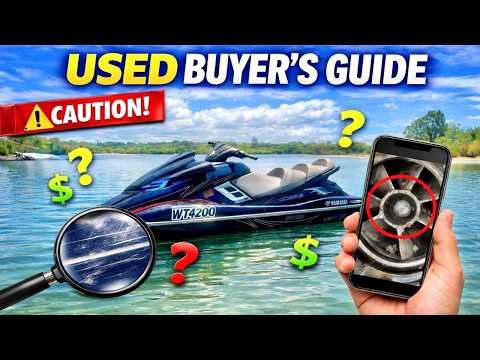
Mechanical integrity underpins a sea doo fishpro sport 170 for sale jet ski’s reliability. Focus your assessment on these critical areas:
Hull and Structural Frame
- Inspect for cracks, fractures, or recent repairs—these may compromise safety and stability.
- Gently press along the hull to identify soft spots, which indicate delamination or internal damage.
- Check for corrosion, especially if the jet ski has been stored in saline environments.
Water Intake and Pump System
- Remove the pump cover and examine impeller blades for chips, cracks, or corrosion.
- During a test ride, listen for vibrations or sluggish water flow, which can indicate impeller damage or clogging.
Cooling and Engine System
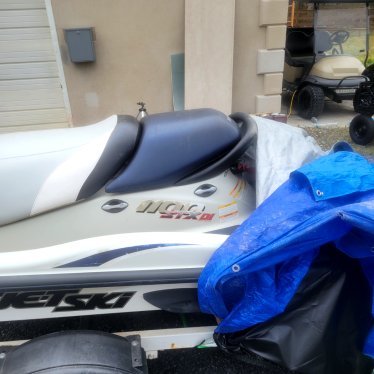
- Inspect hoses and water passages for leaks, corrosion, or blockages.
- Assess compression pressure with a gauge; ideal readings are around 130–135 psi per cylinder. Significant discrepancies suggest internal engine wear.
Engine Mounts and Fasteners
- Ensure all bolts and mounts are tight and free of rust or corrosion.
Electrical System Considerations
The electrical system controls starting functions, gauges, and safety indicators. Verify system functionality by:
- Turning on the key and checking all gauges and warning lights for proper response.
- Testing the starter motor with a fully charged battery to confirm reliable starting.
- Inspecting the battery for corrosion, proper electrolyte levels, and secure connections.
- Examining wiring harnesses for fraying, corrosion, or loose connections.
Conducting Effective Test Rides and Operational Checks
A test ride is essential to confirm the jet ski's performance. During the water test, focus on:
- Gradually accelerating to top speed, listening for abnormal noises such as squeals, knocking, or grinding signs of impeller or bearing issues.
- Observing water flow from the jet outlet—discolored or sluggish water indicates impeller or cooling system problems.
- Assessing handling during turns—excessive wobbling or loose steering points to suspension or hull issues.
- Monitoring gauges for temperature, RPM, and speed readouts—discrepancies can suggest internal engine problems.
- Inspecting the hull upon return for any signs of leaks or overheating damage, like steam or kawasaki ultra 310x jet ski for sale discoloration near exhaust outlets.
Evaluating Ownership History and Usage Data
Detailed ownership and maintenance records provide insights into the jet ski’s reliability:
- Verify the Hull Identification Number (HIN) against registration documents to confirm ownership and prevent purchasing stolen craft.
- Review maintenance logs—consistent service on impellers, batteries, and engine components indicates responsible ownership.
- Check the hour meter; a well-maintained unit with 200–300 hours can still be a good investment if the condition is sound.
- Be cautious of tampered or inconsistent hour readings; request additional proof if needed.
Understanding Tradeoffs and Common Concerns
Balance cosmetic condition against mechanical health when evaluating options. A jet ski with minor scratches but a robust engine generally offers more value than one with pristine paint but internal issues. Market value varies with age, condition, and maintenance history. Be aware that higher-hour units can still be reliable if regularly serviced, but neglect accelerates deterioration. Private sellers may offer lower prices but lack warranty assurances, while reputable dealers often provide certified inspections and warranties for added peace of mind.
Addressing Typical Questions and Clarifications
Hour meters can be reset or tampered with; always cross-reference with maintenance logs or seller records. Indicators of water ingress—such as soft hulls, internal moisture, or water in the hull compartment—may signal seal failure or internal corrosion. Age isn’t the sole indicator; a well-maintained jet ski over 8 years old can outperform a newer, poorly cared-for model. Batteries generally last 2–4 years; persistent electrical issues often point to broader system neglect.
When to Consider a Better Maintained or Newer Model
If frequent use or challenging conditions are expected, prioritize low-hour, meticulously maintained units. Certified pre-owned or newer models reduce risks associated with internal wear and hidden damage. Signs of neglect—excessive corrosion, inconsistent engine performance, or hull repairs—should prompt caution. In such cases, investing in a newer or certified craft may provide better long-term value.
Final Recommendations for Different Buyer Profiles
Casual users should prioritize overall condition and engine reliability over cosmetics. Enthusiasts seeking high performance benefit from documented maintenance and low hours. Budget-conscious buyers must develop skills to identify critical issues like impeller or cooling system faults. Leverage inspection findings during negotiations; visible rust, water ingress, or engine anomalies justify lower offers or withdrawal from the deal.
Verdict
A used jet ski is a worthwhile investment when it has a solid mechanical foundation, minimal structural damage, and comprehensive maintenance records. Watch for signs of neglect, internal corrosion, or engine issues—these tend to escalate and incur additional costs. Units with documented care and low corrosion levels generally offer the best value, even if older. Trust your hands-on inspection, seek professional advice if uncertain, and weigh repair costs against expected longevity for a successful purchase.
Conclusion
Performing a systematic inspection—covering hull integrity, engine health, impeller condition, electrical systems, and ownership history—is vital. The water test is your final assessment of performance and potential issues. Focus on mechanical soundness over cosmetic appearance and approach negotiations with leverage based on your findings. A diligent, informed approach ensures you buy a used jet ski that provides fun, safety, and reliability without unforeseen expenses.
Summary
Thoroughly inspect the hull, mechanical components, electrical systems, and maintenance history of a used jet ski. Conduct comprehensive water tests to confirm operational condition. Prioritize mechanical health and documented maintenance over exterior cosmetics. Consider the tradeoffs between age, hours, and condition to make a sound investment. For additional guidance, review advice on where to buy a used jetski.
Related Guides
- Buying a Used Jet Ski: Essential Tips
- Advice on Where to Buy a Used Jetski
- Buying and Repairing a Used Jet Ski as a Noob
- Used Jet Ski for Sale Near Me
- Buying My First Jet Ski Review
FAQ
How can I tell if a used jet ski has water ingress issues?
Signs include a soft hull, internal moisture, water in the hull compartment, or discolored foam insulation. During inspection, listen for water sloshing inside or examine the hull carefully for cracks or seal damage.
What maintenance records should I ask for when inspecting a used jet ski?
Request detailed logs of engine service, impeller replacements, battery changes, and any repairs. Consistent records indicate responsible ownership and reduce the risk of hidden issues.
Is a high-hour used jet ski still a good purchase?
It can be if it has been well maintained, with recent servicing of critical components. Higher hours are acceptable if the owner has documented regular maintenance and the craft shows minimal corrosion or internal wear.
