
JetSki
What Is the Lifespan of a Jet Ski? Comprehensive Guide
What Is the Lifespan of a Jet Ski | How Long Does a Jet Ski Last
What Is the Lifespan of a Jet Ski. Understanding the lifespan of a jet ski is crucial for owners, potential buyers, and enthusiasts aiming to optimize maintenance and usage. A jet ski, also known as a personal watercraft (PWC), is a compact, motorized vessel designed for recreational water activities. Its longevity depends on factors such as usage intensity, maintenance routines, environmental exposure, and build quality. This guide provides an in-depth look at how long a jet ski typically lasts, how different factors influence its durability, and best practices to extend its operational life. What Is the Lifespan of a Jet Ski
Understanding the Typical Longevity of a Jet Ski
Most jet skis are engineered to last approximately 10 to 15 years under normal use with proper care. This span translates to about 200 to 500 engine hours. For example, a casual rider using their jet ski around 30 hours annually can expect a lifespan of roughly 12 to 16 years. High-frequency or aggressive riders, or those operating in corrosive environments like saltwater, may observe earlier wear, necessitating repairs or part replacements sooner. Engine type significantly impacts longevity: four-stroke engines often achieve longer service lives compared to two-stroke engines, due to differences in design and maintenance needs. What Is the Lifespan of a Jet Ski
Factors That Influence Jet Ski Durability
The lifespan of a jet ski is shaped by several key factors:
- Usage habits and riding intensity: Gentle cruising minimizes stress on the hull and engine, prolonging lifespan. Conversely, high-speed rides and racing subject components to increased wear and tear.
- Environmental conditions: Saltwater environments accelerate corrosion of hulls and internal engine parts. Regular rinsing and anti-corrosion treatments are essential for saltwater use. Freshwater conditions cause less deterioration, extending lifespan.
- Maintenance practices: Routine engine oil changes, thorough rinsing after saltwater use, inspection of hull integrity, and applying anti-corrosion sprays significantly enhance durability. Neglecting maintenance accelerates deterioration.
- Build quality and model design: High-end models constructed with superior hull materials and robust engines tend to last longer than entry-level options. Engine design and quality of components directly influence operational longevity. What Is the Lifespan of a Jet Ski
Comparing Engine Types: Two-Stroke vs. Four-Stroke Engines
The choice between two-stroke and four-stroke engines markedly affects lifespan:
| Engine Type | Average Lifespan | Maintenance Requirements | Durability |
|---|---|---|---|
| Two-Stroke | 5 to 10 years | Higher, due to oil-fuel mixture and deposits | Less durable over time, more prone to wear |
| Four-Stroke | 10 to 15 years or more | Lower, with cleaner operation and fewer deposits | Generally more durable and reliable |
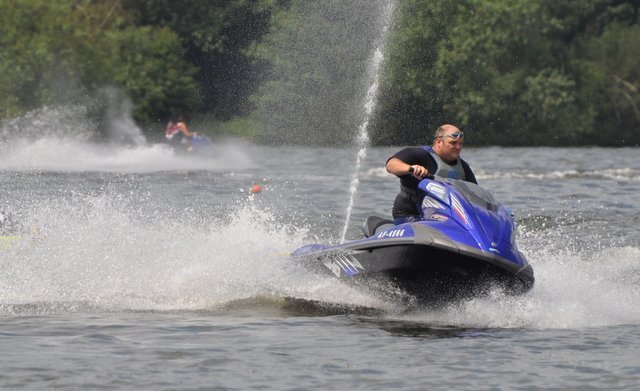
Four-stroke engines are preferred for longevity, especially for owners seeking reliability and lower maintenance efforts.
Environmental Impact on Jet Ski Durability
Environmental exposure, notably saltwater, significantly shortens jet ski lifespan if not properly managed. Saltwater induces corrosion on hulls and internal parts, leading to leaks and potential engine failure. Regular rinsing with freshwater, applying corrosion-inhibiting sprays, and storing the watercraft in protected areas are vital practices. Conversely, freshwater environments cause less corrosion, inherently extending the watercraft’s operational life. Proper environmental management is essential to preserve the integrity of the hull and engine components.
Signs of Wear and When to Repair or Replace
Incremental declines in performance—such as reduced acceleration, increased vibrations, corrosion spots, hull cracks, leaks, or starting issues—indicate aging or damage. Routine inspections of engine compression, hull condition, and cooling systems help identify problems early. Prompt repairs prevent further damage and costly replacements. Conversely, neglecting signs of deterioration can result in sudden breakdowns, safety hazards, or the need for premature replacement. Regular maintenance keeps the jet ski operating safely and can extend its service life well beyond the average. What Is the Lifespan of a Jet Ski
Best Practices for Extending Jet Ski Lifespan
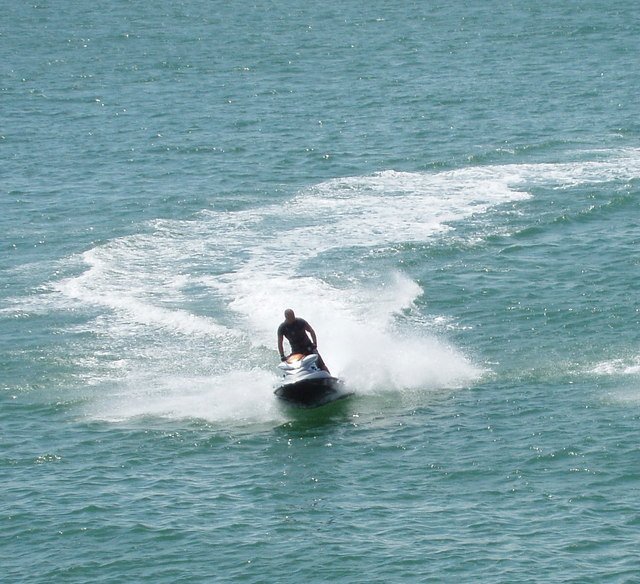
Long-term durability is achievable through diligent maintenance. For occasional freshwater users, routine cleaning and proper storage suffice. Saltwater riders or high-performance enthusiasts should rigorously rinse after each saltwater ride, apply anti-corrosion treatments, and perform scheduled inspections, especially of internal components. Upgrading worn parts and considering rebuilds when necessary can restore aging models. These practices have been proven to extend the useful life of jet skis beyond the typical 10-year mark.
Tradeoffs and Considerations in Jet Ski Durability
Prolonging a jet ski’s life involves costs for maintenance, repairs, and replacement parts. Environmentally harsher conditions like saltwater necessitate more frequent upkeep, increasing costs and effort. Vintage two-stroke 2024 yamaha superjet for sale models, while nostalgic, typically demand more maintenance and are less reliable than modern four-stroke models. Balancing usage, environmental exposure, and investment in maintenance is critical; overextending a jet ski without proper care leads to faster depreciation and potential safety issues. Strategic care maximizes investment and operational years. What Is the Lifespan of a Jet Ski
Common Questions and Clarifications
Can a jet ski last 20 years or more?
While rare, some jet skis have reached or exceeded 20 years with meticulous maintenance and ideal conditions. Most models, however, have a typical lifespan of 10 to 15 years. What Is the Lifespan of a Jet Ski
Does saltwater usage drastically shorten lifespan?
Saltwater accelerates corrosion and requires enhanced maintenance. Without proper care, saltwater exposure can significantly reduce a jet ski’s durability. What Is the Lifespan of a Jet Ski
Are four-stroke engines always more durable than two-strokes?
Generally, yes. Four-stroke engines tend to last longer due to their design and lower wear rates, especially when properly maintained.
How much can regular maintenance extend lifespan?
Consistent maintenance, including oil changes, flushing, and inspections, can add several years to a jet ski’s life, often surpassing the typical 10-15 year expectancy. What Is the Lifespan of a Jet Ski
Is it better to repair or replace an aging jet ski?
If repairs become frequent or costly, or if performance substantially declines, replacing may be more economical and safer than continuous repairs.
Recommended Strategies for Different User Profiles
- Casual freshwater owners: Focus on routine cleaning, gentle usage, and protected storage to maximize lifespan.
- Saltwater or high-performance users: Prioritize thorough rinsing, corrosion prevention, and regular inspections for longevity.
- Vintage or used model buyers: Assess engine hours, maintenance history, and structural integrity before purchase.
- When to consider replacement: 2024 yamaha fx cruiser svho Significant performance decline or excessive repair costs indicate it might be time for a new or upgraded jet ski. What Is the Lifespan of a Jet Ski
Summary
A well-maintained jet ski typically lasts between 10 and 15 years, with up to 500 engine hours, depending on usage, environment, and maintenance practices. Proper care, especially in challenging environments like saltwater, can significantly extend its lifespan. Recognizing early signs of wear and addressing issues promptly ensures safe and reliable operation. Following recommended maintenance routines maximizes the watercraft’s operational years and overall value. What Is the Lifespan of a Jet Ski
Related Guides
- How Long Can a Jet Ski Go on a Full Tank?
- How Fast Can a Jet Ski Go?
- Why Do Jet Skis Not Last Long?
- What Is the Average Price of a Jet Ski?
- How Much Does It Cost to Fuel a Jet Ski?
