
JetSki
How Fast Can a Jet Ski Go? A Comprehensive Guide to Performance and Speed Expectations
Introduction
Knowing the achievable speed of a jet ski is essential for enthusiasts, beginners, and prospective buyers alike. This guide offers detailed insights into typical speed ranges, factors influencing performance, common modifications, safety considerations, and realistic expectations. Whether your goal is recreational cruising, competitive racing, or long-distance touring, understanding a jet ski’s capabilities ensures responsible riding and informed decisions.
The Fundamentals of Jet Ski Speed: What You Need to Know
Jet ski top speed refers to the maximum velocity attained under ideal conditions with a stock, fully equipped vessel. This speed hinges on hull design, engine power, rider weight, and environmental factors. Stock models usually range from 20 to 70 miles per hour (mph). Entry-level models such as Rec-Lite crafts generally reach around 20-40 mph, whereas high-performance models equipped with advanced engines can exceed 60 mph.
Understanding these baseline speeds helps in selecting the right model for your needs and sets realistic expectations for performance enhancement and safety precautions. For those interested in overall watercraft endurance, learn more about how long jet skis can operate on a full tank.
Dissecting the Factors That Affect Jet Ski Speed
| Factor | Effect on Speed |
|---|---|
| Engine Horsepower | The primary influence; models with about 110 HP typically reach 20-40 mph, while high-performance engines over 300 HP can surpass 60 mph. Elevated horsepower enhances acceleration and top speed but requires more rigorous maintenance and system upgrades. |
| Hull Design and Materials | Streamlined, lightweight hulls reduce water resistance, boosting both speed and maneuverability. However, aggressive designs may compromise stability at high velocities. |
| Propulsion System | Impeller configuration and jet drive components influence acceleration and maximum velocity. Upgrading impellers and intake systems can optimize water flow for better performance. |
| Modifications | Intake tuning, impeller swaps, hull modifications, and exhaust upgrades can increase speed by 5-15 mph. These modifications should be performed carefully to avoid mechanical stress and ensure reliability. |
| Rider Weight and Distribution | Heavier riders may experience slight reductions in acceleration and top speed. Proper rider positioning can improve overall performance and handling. |
Comparing High-Performance Versus Standard Jet Skis
High-performance models, such as Yamaha’s SVHO series or Kawasaki’s ULTRA lineup, feature supercharged engines kawasaki jet ski stx 160x for sale reaching approximately 300 HP, allowing speeds up to 70 mph under ideal conditions. These crafts incorporate advanced hull designs and reinforced systems designed for agility and racing applications.
Standard or beginner models—including Yamaha VXR or Kawasaki STX 160LX—typically achieve speeds between 20 and 40 mph, focusing on stability, safety, and ease of use. They are ideal for casual riders and beginners, with a lower emphasis on maximum velocity.
High-performance models generally demand more maintenance, involve higher insurance costs, and require more experienced handling. Prioritizing safety and system reliability is crucial when operating at elevated speeds.
Real-World Use Cases and Practical Speed Expectations
For recreational riding, speeds of 20-50 mph provide a safe, enjoyable experience that balances fun with security. These speeds minimize mechanical wear and reduce risk.
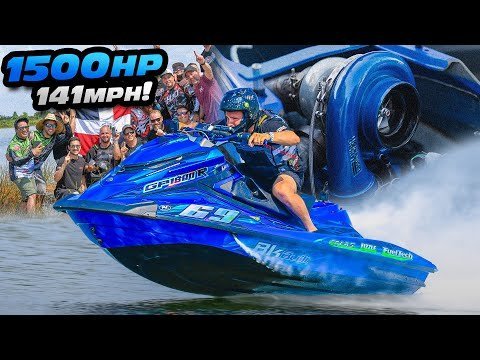
Racers and speed enthusiasts often operate modified jet skis at speeds exceeding 60-70 mph, typically in controlled environments with appropriate safety gear and experienced operators. These uses demand meticulous planning and adherence to safety protocols.
Touring and long-distance watersports usually involve moderate speeds around 20-40 mph, emphasizing stability, fuel efficiency, and comfort. Many models optimized for endurance prioritize range over maximum velocity.
For beginners or family-oriented crafts, speed is often intentionally limited to 20-30 mph for safety and ease of handling, aligning with rider experience levels.
Safety and Performance: Risks and Best Practices When Increasing Speed
Operating at high speeds introduces risks, including loss of control, instability, and potential impact injuries. Mechanical stress, especially on supercharged engines or modified impellers, can lead to failures if not properly maintained.
Routine maintenance—such as inspecting engines, replacing worn impellers, and checking hull integrity—is vital after performance enhancements. Overloading or improper rider positioning can further compromise stability at higher velocities.
Always wear proper safety equipment, including helmets, life jackets, and wetsuits, and familiarize yourself thoroughly with your watercraft controls. Observing local speed regulations and riding within designated areas significantly reduces accident risks.
The Role of Modifications and Aftermarket Upgrades in Speed Enhancement
Performance upgrades like impeller swaps, intake tuning, hull modifications, and exhaust systems can increase top speeds by 5-15 mph. For example, a quality impeller upgrade can optimize water flow, resulting in noticeable gains.
However, modifications can accelerate system wear, increase maintenance costs, void warranties, and affect reliability if not correctly implemented. Expect incremental improvements rather than dramatic jumps in speed, and always follow best practices for tuning.
Ensuring compatibility and testing incremental changes while monitoring mechanical health help balance performance gains with safety and durability.
Comparing Brands and Models: Which Offers Faster or More Capable Watercraft?
- Yamaha’s models like the VXR reach about 50-55 mph, with SVHO supercharged options surpassing 60 mph.
- Kawasaki’s ULTRA series can hit up to 62 mph, featuring powerful engines and advanced hulls.
- Sea-Doo’s RXT-X flagship series can achieve speeds close to 70 mph in optimized configurations.
The technology used—such as supercharging, eco-friendly engines, and hull design—directly influences maximum achievable speeds. Selecting the right model depends on whether your focus is raw speed, handling, customization, or environmental factors.
Myths, Misconceptions, and Common Questions
- Can a jet ski go faster than the manufacturer claims? Yes, with modifications and in ideal conditions, speeds can exceed specifications. Nonetheless, this may void warranties and cause mechanical issues.
- Is it safe to push a jet ski beyond stock speeds? Only with proper safety gear, experience, and appropriate modifications. High speeds increase the likelihood of accidents and mechanical failure.
- Do modifications always significantly increase speed? Not always; gains are typically modest, around 5-15 mph, depending on the quality and appropriateness of the upgrade.
- How much does rider weight impact top speed? Heavier riders may experience slight reductions in acceleration and maximum speed, especially on smaller or less powerful models.
- Do eco-friendly engines limit top speed? They might produce marginally lower maximum speeds due to emissions considerations, but technological advancements are closing this performance gap.

Making the Right Choice: Which Jet Ski Speed Fits Your Needs?
- For casual water sports: choose models with top speeds of 20-40 mph, emphasizing stability and ease of operation.
- For enthusiasts seeking thrill: opt for high-performance crafts with engines around 300 HP to surpass 60 mph, considering potential upgrades.
- For long-distance touring: select models with larger fuel tanks and stable hulls for smooth cruising at moderate speeds (~20-40 mph).
Evaluate your experience level, intended use, and safety comfort before selecting a jet ski based on its speed capabilities.
Final Verdict: How Fast Can Your Ideal Jet Ski Go?
In practical terms, stock high-performance jet skis can reach 60-70 mph, but such speeds are suitable primarily for experienced riders in controlled settings. Most recreational riders operate comfortably within 20-50 mph, ensuring fun and safety coexist.
Performance enhancements through modifications can add 5-15 mph, but they require careful maintenance, testing, and adherence to safety practices. Prioritize responsible riding and maintain your watercraft regularly to keep it performing optimally.
Remember, safety takes precedence over raw speed. Achieving your desired performance involves understanding your watercraft’s limits, performing proper maintenance, and following safety regulations.
Summary
Jet ski speeds vary widely based on design, power, and modifications. Stock models can typically reach 20-70 mph, with high-performance crafts exceeding 60 mph. Enhancements can increase speed modestly but must be balanced with safety and reliability. Always ride responsibly, respect local regulations, and maintain your watercraft routinely to enjoy optimal performance safely.
Related Guides
- How Long Can Jet Skis Operate on a Full Tank?
- How Much Does It Cost to Fuel a Jet Ski?
- What Is the Lifespan of a Jet Ski?
FAQ
Can a jet ski go faster than the manufacturer claims?
Yes, with modifications and ideal conditions, speeds can surpass rated specifications. However, this often carries risks such as warranty voids and increased mechanical wear.
Is it safe to push a jet ski beyond stock speeds?
Only when equipped with proper safety gear and operated by experienced riders. High speeds increase kawasaki ultra 310x jet ski for sale risk, so caution, training, and adherence to safety guidelines are essential.
Do modifications always significantly increase speed?
Not necessarily; most modifications yield incremental improvements, typically 5-15 mph, depending on the type and quality of the upgrades.
How much does rider weight impact top speed?
Heavier riders may see slight reductions in maximum speed and acceleration, especially on smaller or less powerful models.
Do eco-friendly engines limit top speed?
They might produce slightly lower maximum speeds due to emissions tuning, but ongoing technological improvements are reducing this gap.
