
Uncategorized
The Ultimate Guide to Buying a Used Jet Ski: Expert Insights, Key Factors, and Honest Recommendations
Purchasing a used jet ski offers a cost-effective way to enjoy water sports and explore lakes, rivers, or coastal waters. This guide is designed to help both newcomers and experienced watercraft enthusiasts make informed decisions when buying pre-owned jet skis. You’ll learn how to assess quality, identify potential issues, and find the best value. By following these expert recommendations, you can confidently select a reliable used jet ski tailored to your needs and budget.
1. Understanding the Used Jet Ski Market
The second-hand jet ski market fluctuates based on model age, overall condition, and seller type. Private sellers often list units at lower prices to sell quickly, but may lack detailed maintenance history or thorough inspections. Conversely, dealerships provide watercraft that have typically undergone inspections, minor repairs, and may include warranties—though at a higher cost.
Market conditions influence availability and pricing—summer months see increased listings, often at premium prices, while winter months may offer lower prices due to decreased demand. Understanding current market trends and the specific features of your desired model will help you negotiate effectively and avoid overpaying.
2. Critical Factors to Assess Before Buying
When inspecting a used jet ski, focus on core condition indicators rather than superficial features. A well-maintained watercraft will perform reliably and last longer. Pay attention to the 2024 yamaha superjet for sale engine’s responsiveness, physical condition of the hull, and signs of neglect such as corrosion or water damage. If the watercraft exhibits sluggish acceleration, strange noises, or water leakage, these are signs of potential costly repairs.
Evaluate the maintenance history—regular servicing, including engine checks, pump inspections, and corrosion prevention, indicates good owner stewardship. High hours don’t automatically mean unreliability if maintenance has been diligent. Conversely, signs of neglect, like corrosion on electrical components or a compromised hull, suggest future repairs and should influence your buying decision.
3. Essential Inspection Procedures
Perform a comprehensive inspection to ensure the watercraft’s integrity. Begin with a compression test—values above 120 psi across cylinders indicate a healthy engine. Examine the hull for cracks, delamination, or previous repairs. Any signs of sinking, waterlogging, or soft spots highlight significant issues.
Inspect the jet pump and impeller for dents or missing blades, which impair performance. During a demonstration run, listen for abnormal engine sounds such as knocking or whining, and observe if the jet ski accelerates smoothly and handles variable water conditions well. Verify electrical systems—lights, gauges, and starter—are fully operational. Consider conducting a water test if possible, to assess steering, handling, and responsiveness.
4. Verifying Seller Credibility and Red Flags
Request maintenance records and verify ownership documentation to establish seller reliability. Red flags include resistance to water testing, signs of water intrusion in compartments, or incomplete documentation. Be wary of significantly discounted units, which may have hidden damage like flood history or engine issues. Visible rust, corrosion, or flood-damaged hulls should prompt caution.
Check registration status and inquire about the trailer condition, as a damaged or missing trailer impacts overall value. Always ensure the seller is transparent about repairs and service history to avoid costly surprises.
5. Evaluating Models for Long-term Reliability
Some brands and models are renowned for durability—Yamaha WaveRunner, Kawasaki Jet Ski series, and certain Sea-Doo RXP models have proven longevity and strong support networks. Consider hull material: fiberglass models are durable but susceptible to delamination if impacted, while properly maintained metal components resist corrosion.
Research resale value and repair costs; models with a solid track record often retain value longer if maintained correctly. Prioritize units with documented regular service, minimal corrosion, and intact mechanical systems for long-term reliability.
6. How to Set and Negotiate Your Budget
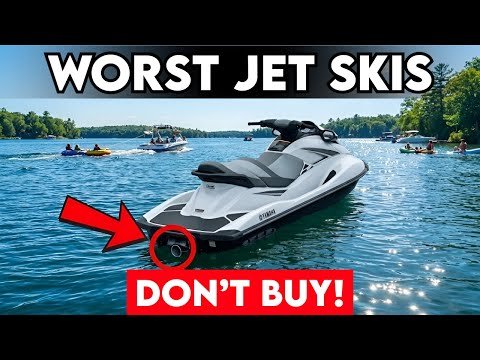
Establish a comprehensive budget including the purchase price, inspection, registration, and potential repairs or upgrades. Allocate an extra 10-15% of the total budget to cover immediate maintenance needs. Use inspection findings to negotiate—if corrosion or mechanical wear is present, adjust your offer accordingly.
Compare asking prices with recent sales data to ensure fair valuation. Beware of units priced significantly below market value, which may indicate hidden issues. Consider the value of included accessories such as trailers or navigation systems when assessing overall cost.
7. Tradeoffs and Honest Assessments
Choosing between a dealer and a private seller involves weighing safety and certainty against cost. Dealers often certify their units, include warranties, and conduct inspections—justifying a higher price. Private sellers may offer better prices but require thorough inspection and greater due diligence.
Older models with good maintenance can outperform newer units suffering from neglect. Higher-performance models with superchargers or advanced features may attract enthusiasts willing to invest in ongoing maintenance. Prioritize units with complete service records and verified condition to ensure longevity and performance.
8. Common Misconceptions and FAQs
Many buyers believe a water test alone guarantees engine integrity. However, operational performance doesn’t reveal internal issues like corrosion or internal wear. Engine hours can be misleading; a high-hour jet ski well-maintained can outperform a low-hour neglected unit. Conversely, newer models are not immune to problems if previously poorly cared for.
Older models are often dismissed as unreliable, but with comprehensive inspections and verified maintenance, they can serve reliably for years. Focus on detailed evaluation rather than age alone to make an intelligent purchase.
9. When and How to Seek Professional Inspection
If unsure about your assessment skills, hiring a professional marine inspector is highly recommended. They provide expert diagnostics for corrosion, internal engine health, and safety features. An inspector’s detailed report can significantly strengthen your negotiating position and protect against costly repairs.
Investing around $200–$300 for a professional evaluation can prevent future expenses and help you find a watercraft that meets safety and reliability standards.
10. Final Decision-Making Checklist
Before finalizing your purchase, confirm the following:
- Engine compression test results are within acceptable ranges.
- The hull shows no cracks, delamination, or signs of previous sinking.
- Maintenance records are complete and verifiable.
- The jet ski performs well during a water test, including acceleration and steering.
- Electrical and safety systems operate correctly.
- The seller provides clear documentation and answers all questions transparently.
If multiple issues are identified, consider negotiating for repairs, or look for a better-conditioned unit. When the watercraft passes these assessments, you’ll be ready to make a confident purchase.
Verdict: Which Used Jet Ski Fits Your Situation?
If you’re budget-conscious and willing to invest time into inspections and repairs, activev pulse golf cart 6p lifted older but well-maintained models could be ideal. Enthusiasts focused on performance should seek proven models with documented maintenance history and minimal corrosion. For durability, prioritize units known for long-term reliability with comprehensive service records.
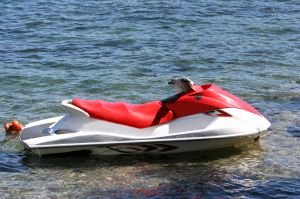
Conduct thorough inspections and trust your judgment. Spending extra on a reliable, well-maintained second-hand jet ski will save you money and stress in the long run. Use this guide as a foundation to select a watercraft that guarantees fun, value, and safety.
Happy water adventuring!
Summary
Buying a used jet ski requires diligent inspection, understanding market factors, and careful negotiation. Focus on engine health, hull integrity, maintenance history, and seller credibility to ensure your investment is solid. Prioritize models with proven durability and seek professional inspections if needed. With thorough research and honest assessment, you’ll find a watercraft that delivers reliable fun for years to come.
Related Guides
- Advice on Where to Buy a Used Jet Ski
- Things to Check When Buying a Used Jet Ski
- Used Jet Ski for Sale Near Me
- Buying My First Jet Ski Review
- Buying 2024 yamaha fx cruiser svho and Repairing Used Jet Ski as a Noob
FAQ
How do I know if a used jet ski is worth buying?
Assess the engine compression, inspect the hull for damage, verify maintenance records, and perform a water test. Consider hiring a professional inspector for comprehensive evaluation to ensure the watercraft’s reliability.
What are common issues to look for in used jet skis?
Watch for engine corrosion or internal wear, hull cracks or delamination, damaged impeller or pump, electrical system malfunctions, and signs of previous flooding or water logging.
Should I buy from a dealer or a private seller?
Dealers often certify their units and offer warranties, providing peace of mind. Private sellers may offer lower prices but require more thorough inspections and due diligence to avoid hidden problems.
