Uncategorized
The Ultimate Guide to Buying a Jet Ski for Sale with Trailer: Choosing the Right Setup for Your Water Adventures
Owning a jet ski with a trailer can significantly enhance your water recreation experience. This comprehensive guide helps you understand key considerations when purchasing a jet ski and trailer combo, from selecting the right model to ensuring secure transportation and storage. Whether you're a casual rider or a serious enthusiast, this guide equips you with the expert insights needed to make informed decisions and find the best setup suited to your needs.
1. Understanding Your Needs: Why a Jet Ski with Trailer Matters
Investing in a jet ski and trailer combination streamlines transport, storage, and usage. If you plan regular trips to lakes, coastal areas, kawasaki jet ski stx 160x for sale or rental locations, having a dedicated trailer simplifies loading and ensures safer transportation. For those with limited storage space or infrequent use, a trailer-less jet ski might seem convenient initially, but it complicates movement over longer distances and storage options. Determining your usage frequency, storage capabilities, and transportation needs will guide you toward the most practical setup.
2. Selecting the Right Jet Ski for Sale
Choose a jet ski based on your riding purpose and budget. For most recreational riders, a model with 110-130 horsepower offers reliable performance without excessive fuel consumption. Higher horsepower models are ideal for towing, wave jumping, or competitive activities but come with increased operational costs. Reputable brands such as Sea-Doo, Yamaha, and Kawasaki provide models known for durability and dealer support. For example, Sea-Doo’s GTX series excels in stability and comfort, making it excellent for beginners, while Yamaha’s WaveRunner VX series balances performance with affordability.
When considering used options, inspect the hull for damage, assess engine hours, and verify maintenance history. Be cautious with models priced under $1,000, as they are often older, less powered, and may require repairs. Prioritize models with low engine hours and well-maintained trailers to ensure value and reliability.
3. Choosing the Perfect Trailer for Your Jet Ski
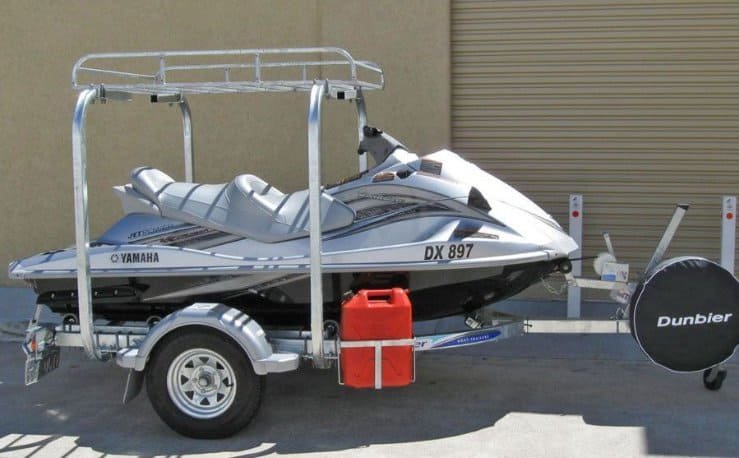
The trailer is essential for safe and efficient transport. It must align precisely with 2025 kawasaki ultra 160lx s angler your jet ski’s size and weight. Lightweight aluminum trailers resist corrosion, especially in saltwater environments, but typically come at a higher cost. Steel trailers are more affordable but require regular anti-corrosion maintenance. Verify the trailer’s weight capacity exceeds your jet ski’s weight to prevent overloading, which can cause damage and unsafe driving conditions.
Look for features such as a winch system for easy loading, adjustable bunks for a custom fit, and security locks to prevent theft. Tandem axles distribute weight better during kawasaki ultra 310x jet ski for sale highway travel, increasing stability. When purchasing separately, confirm compatibility with your vehicle’s towing capacity and hull size. Ensure tires are in good condition, lights function properly, and securing straps are included to secure your equipment adequately.
4. Comparing Popular Jet Ski and Trailer Packages
Budget-conscious buyers often find used jet skis and trailers bundled under $1,000. While affordable, these packages may involve older models with limited performance, higher maintenance, and weaker trailer build quality. Conversely, dealer-offered packages tend to include newer models with advanced features and durable trailers, but at a higher price.
Investing in a used jet ski and trailer separately offers the flexibility to select specific models and features. This approach requires thorough research and inspection but can deliver greater long-term value and customization.
5. Real-World Use Cases and Proven Configurations
For those on a tight budget, reliable used jet skis like Yamaha WaveRunners can often be found below $1,000 in private sales or auctions. Pairing these with basic, locally sourced trailers can create a cost-effective watercraft setup suitable for occasional use. In saltwater environments, opting for galvanized or aluminum trailers prevents corrosion and prolongs lifespan.
Seasoned enthusiasts and frequent users should consider upgrading to high-quality aluminum trailers featuring enhanced security, corrosion resistance, and extra storage options. Proper maintenance, such as checking tire pressure, inspecting for cracks, and rinsing salt residues, will maintain your equipment’s integrity. Securing your jet ski with locks and safety straps is vital for theft prevention and stability during transit.
6. The Critical Importance of Security and Maintenance
Security components—including locks, alarms, and safety straps—are vital to protect your investment. Cheaper trailers or unsecured setups are more vulnerable to theft or damage, especially during overnight storage. Regular maintenance routines such as tire checks, lubrication of moving parts, and hull rinsing are crucial to prevent rust and mechanical failure. Steel trailers demand anti-corrosion treatments, while aluminum trailers benefit from periodic inspections to identify cracks or deterioration.
Investments in quality security features safeguard your equipment, particularly if stored in accessible areas. Consistent maintenance reduces long-term repair costs and extends the lifespan of both your jet ski and trailer.
7. Navigating Purchase Options: New, Used, and Deals Under $1,000
New models offer warranties, modern features, and peace of mind, but often at a premium cost. Used options, especially those under $1,000, are more accessible but demand careful due diligence. When shopping in this lower price range, scrutinize seller honesty, seek detailed photos, and request maintenance history. Examine engine compression, hull condition, trailer frame integrity, and security features before finalizing a purchase. Without warranties, factor in potential repair costs, considering these as entry-level or starter setups with room for future upgrades.
8. Honest Tradeoffs and Setting Expectations
Lower-cost packages generally mean accepting shorter durability, reduced security, and potentially lower performance. Expect to perform repairs or upgrades within the first year. Steel trailers, if frequently exposed to saltwater, will require more maintenance to prevent rusting, whereas aluminum trailers are more resilient. High-performance jet skis that accelerate faster and handle tougher conditions carry higher ownership costs and maintenance demands. Align your budget with your intended use: casual, infrequent riding suits budget options, while regular enthusiasts benefit from investing in more durable, secure setups.
9. Making the Final Decision: Tailoring Your Choice to Your Needs
Create a decision matrix based on your priorities—cost, security, performance, and storage. For casual use, affordability and simplicity are key. For frequent outings, focus on durability and security features. Be wary of red flags such as vague descriptions, unwillingness to provide proof of condition, or mismatched trailer specifications, which could indicate unreliable listings.
10. Verdict and Recommendations
If your goal is occasional watercraft use and budget is limited, purchasing a used jet ski with a basic trailer under $1,000 is a practical starting point—just ensure comprehensive inspection beforehand. Seek models with low engine hours and trailers in good structural condition. Adding security locks enhances safety during storage and transport.
Serious enthusiasts and frequent users should prioritize investing in a high-quality aluminum trailer with added security features for longevity and peace of mind. Business owners or those planning long-distance transport should consider premium, corrosion-resistant trailers and newer jet skis to reduce operational risks and costs over time.
Always match your equipment to your activity level, geographic environment, and storage capacity. Properly maintained and secured setups enable enjoyable water adventures sea doo fishpro sport 170 for sale for many seasons while minimizing unexpected expenses.
In Conclusion
Choosing the right jet ski with trailer requires careful consideration of your intended use, environment, and budget. Budget-friendly options under $1,000 are accessible but come with limitations on durability and security. Premium setups provide better longevity and safety but involve higher investment. Aligning your choice with your water recreation goals ensures a satisfying, safe experience with minimal surprises.
Summary
Key takeaways include understanding your usage needs, selecting suitable models within your budget, ensuring trailer compatibility and security, and performing regular maintenance. Prioritize safety features and proper fit to enjoy a reliable, long-lasting watercraft setup tailored to your lifestyle.
Related Guides
- Finding the Best Jet Skis Near You
- Guide to Buying Jet Skis in the UK
- Exploring Jet Ski and Jet Boat Options
- Jet Ski Buying Tips for Ontario
- Jet Skis for Sale in NYC
FAQ
What should I look for when buying a used jet ski?
Inspect the hull for damage, verify engine hours and compression, check for signs of corrosion, and review maintenance records. Test the watercraft if possible to assess performance and responsiveness.
Is a trailer necessary if I only plan occasional use?
If you plan infrequent trips or store your jet ski in a nearby facility, a trailer might not be essential. However, for ease of transportation and better storage options, a trailer remains beneficial.
Can I find quality jet skis and trailers under $1,000?
Yes, but these are typically older models or used options. Ensure thorough inspection and consider future upgrades or repairs as part of your investment.
