
JetSki
Finding the Right Fishing Jet Ski Near You: An In-Depth Review for Practical Buyers
If you’re an angler seeking to optimize your fishing trips, a fishing jet ski offers unmatched access to hard-to-reach waters and a versatile platform for your gear. Searching for a “fishing jet ski for sale near me” is the first step, but it’s essential to evaluate models based on real-world performance, durability, and suitability for your environment. This guide provides expert insights to help you make an informed decision, whether you’re considering new or used options.
Understanding How Fishing Jet Skis Perform in Real Conditions
Unlike recreational PWCs, fishing jet skis are tailored for stability, storage, and ease of access to fishing spots. In actual use, their performance depends heavily on how well they balance features like handling, storage, and accessories during extended trips. A model that looks ideal on paper may fall short when you’re battling waves or pulling multiple lines, making practical testing essential.
The Key Features That Make a Difference on the Water
Engine Power and Fuel Efficiency
For trolling and steady fishing, sufficient engine power is vital. Models like Yamaha FX series or Sea-Doo Fish Pro offer higher horsepower and smoother torque, supporting prolonged use under load. sea doo gtx limited 325 for sale Fuel efficiency becomes increasingly important when venturing into remote fishing locations, as frequent refueling can be impractical. Choose models with reliable engines designed for sustained operation.
Storage, Fish-Finding Technology, and Accessories
Integrated storage compartments, live wells, and rod holders are invaluable for organized gear management. Modern fishing jet skis often include advanced GPS and fishfinder systems, streamlining fish locating efforts. When considering used models, check for high-quality and well-integrated accessories, as cheap or aftermarket add-ons may not withstand the rigors of frequent fishing trips.
Handling, Stability, and Durability in Real-World Use
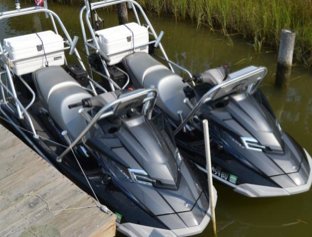
Handling stability is crucial, especially in choppy conditions or when maneuvering for casting. Models with a Deep-V hull, such as some Kawasaki Ultra FX variants, excel in rough waters, providing a smoother ride. Note that heavier, deep-hull designs offer excellent stability but can be less agile and harder to transport or store.
Weight distribution influences maneuverability—lighter models respond quickly but may be less stable in rough environments. Conversely, heavier, more substantial hulls provide stability but require more effort to turn sharply or navigate shallow areas.
Longevity and Maintenance for Heavy Use
Exposure to saltwater accelerates corrosion, making durability a top priority. Select models with corrosion-resistant features, such as all-welded aluminum hulls where applicable. Regular maintenance routines, especially for saltwater riders, are essential. Professional inspections and servicing prolong your jet ski’s lifespan, especially for components like electrical systems, engines, and hulls.
Tech and Customization for Effective Fishing
Reliable fishfinders, GPS units, and trolling motors enhance your effectiveness on the water. Look for models that support easy installation and operation of these activev pulse golf cart 6p lifted devices. Durable accessories such as anchor systems, additional rod holders, and storage options allow for full customization, making your fishing experience more organized and productive.
Performance Limitations and Practical Considerations
Models with deeper hulls and advanced features tend to be heavier, which can complicate transportation and storage. Heavy-duty models suited for saltwater may require meticulous maintenance, and used options could have wear issues. Always conduct a thorough inspection, especially when considering pre-owned units, to avoid unexpected repairs or compromises in quality.
Ideal Buyers and When to Explore Other Options
This vehicle type is suited for anglers prioritizing stability, extensive storage, and tech features. Saltwater anglers should focus on models with corrosion resistance. Serious users who don’t mind performing upgrades and maintenance will find these jet skis highly adaptable.
Casual anglers, or those who fish mainly in calm lakes, might prefer lightweight, straightforward recreational PWCs, which require less upkeep. Visiting local dealerships for test rides and expert guidance can significantly improve your purchase experience.
Locating and Evaluating Local Deals
Partner with trusted dealerships nearby that have excellent customer reviews and offer comprehensive service. Visiting in person allows you to test handle in conditions similar to your typical fishing environment. Test rides help you assess balance, handling under load, and overall comfort, providing critical insight beyond static inspections.
Online marketplaces, such as classified sites, can be useful for finding used models at affordable prices. Always insist on detailed inspections and maintenance history, and consider professional advice to verify condition before purchase. For additional guidance, consult resources on advice on where to buy a used jetski.
Cost and Bargain Strategies
Expect prices to range from approximately $8,000 for basic used models to over $15,000 for new, feature-rich fishing jet skis. Negotiation can include added accessories or service packages. Be cautious of deals that seem unusually inexpensive, as these may involve hidden issues or lack warranties, leading to higher repair costs down the line.
Upgrading for Serious Fishing
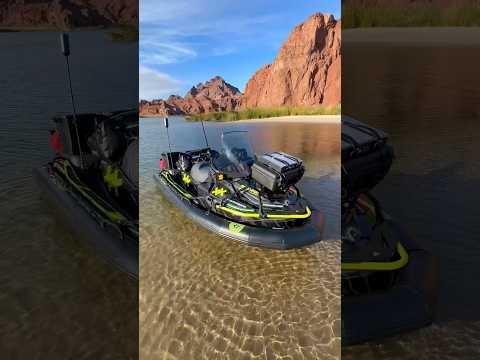
Enhance your jet ski with high-quality fishfinders, trolling motors, and additional storage solutions. Proper integration of upgrades ensures optimal performance without sacrificing balance. Keep in mind, some modifications may impact warranties or resale value, so plan upgrades carefully and from reputable suppliers.
Setting Realistic Expectations and Final Tips
No single model fits every fishing scenario perfectly. For saltwater environments, prioritize models with corrosion resistance and deep hulls; for freshwater, lighter, responsive designs may be more practical. Conduct thorough testing, including trial rides and professional assessments, to confirm the best fit for your needs and budget.
Conclusion
Choosing the right fishing jet ski involves understanding how different models perform under actual fishing conditions, assessing their durability, and selecting based on your environment. Focus on stability, storage capacity, and fishing-specific features. Visiting local dealers for hands-on testing and advice ensures you’re making a confident investment that supports many successful fishing trips.
Summary
Focus on models with proven stability, ample storage, and fishing-specific technology. Prioritize local dealerships with reputable service departments and conduct test rides to evaluate handling and comfort. Be cautious with used models by thoroughly inspecting and verifying maintenance history. Proper research and hands-on testing will help you find a jet ski that matches your fishing needs and budget.
Related Guides
FAQ
How do I know if a used fishing jet ski is in good condition?
Have a qualified mechanic inspect the engine, electrical systems, and hull integrity. Check maintenance records and look for signs of saltwater corrosion or wear on moving parts.
What features should I prioritize for fishing jet skis?
Focus on stability, ample storage, rod holders, fish finding kilworth ferrari 340 two wheel tractor technology, and corrosion-resistant materials, especially if you plan to fish regularly in saltwater.
Can I find affordable fishing jet skis on Craigslist?
Yes, but ensure thorough inspections and verification of maintenance history. Consider consulting experts or local dealers for advice before purchasing a used unit.
