JetSki
Comprehensive Review of Jet Ski Floating Docks: Which One Is Right for You?
If you’re considering a jet ski floating dock, selecting the right system is essential for safety, durability, and ease of use. This guide offers in-depth insights based on real-world experience to help you understand different types of floating docks, their performance, installation considerations, and how to choose the best option for your needs. Whether you own a private lake, manage a rental business, or operate a marina, you’ll find detailed advice to inform your decision.
Understanding Floating Jet Ski Docks in Practice
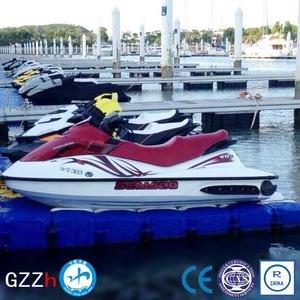
Floating docks serve as a stable, accessible platform for launching and storing jet skis. Unlike fixed docks, floating systems adapt to water level changes, providing a consistent launching height and reducing wear caused by tidal fluctuations. Their flexibility makes them particularly advantageous for tidal zones and variable water environments. The quality of flotation materials and anchoring determines stability and safety—high-quality HDPE or aluminum components ensure longevity and resistance to harsh conditions.
Types of Floating Docks and Lifts We Tested
Our evaluations included modular systems like EZ Dock, which offer customization and scalability, perfect for expanding or reconfiguring setups over time. Single-unit docks are ideal for calm, stable lakes where simplicity and quick deployment are priorities. Additionally, testing various jet ski lifts—including hydraulic and automatic models—highlighted their efficiency for high-traffic commercial use, offering quick launching, retrieval, and winter storage options such as EZ Dock’s dry storage solutions, crucial for colder climates.
Performance Through Real Use: Stability, Materials, and Maintenance
Material selection critically impacts long-term performance. HDPE docks proved highly resistant to UV damage and biofouling, simplifying maintenance and extending service life. Aluminum docks, despite a higher initial investment, resist corrosion in saltwater conditions. Composite options offer a blend of durability and aesthetic appeal but are often more expensive.
In terms of stability, docks featuring anti-slip surfaces and robust mooring hardware excel in rough weather. Reinforced anchoring and proper weight distribution prevent drifting, particularly in high-wind environments. Less durable models may shift or become unstable under storm conditions—highlighting the importance of choosing proven, high-quality structures.
Maintenance requirements vary; many ‘maintenance-free’ docks meet long-term expectations, especially those made from composite materials or HDPE. Regular hardware inspections after storms and seasonal checks are recommended. Aluminum docks benefit from anti-corrosion treatments to ensure longevity.
Installation Experience and Practical Challenges
Installing a floating dock is generally straightforward with available hardware, cleats, connectors, and ramps. Modular systems like EZ Dock facilitate reconfiguration to accommodate seasonal changes or evolving watercraft needs. However, site assessment is vital: shallow or uneven bottoms complicate anchoring and may require additional ballast or customized hardware.
Water conditions such as tide shifts demand flexible layout planning. Adjustable anchors or heavier hardware improve stability, and reconfigurable modular systems allow for future expansion or layout modifications without extensive effort.
Real-World Performance & User Stories
Homeowners value user-friendly platforms like EZ Dock, which simplify launching and storing jet skis while enhancing safety with secure handrails and anti-slip surfaces. Rental operations depend on durable, high-capacity systems capable of handling frequent launches; HDPE docks are favored for their resilience in saltwater conditions, reducing repair costs over multiple seasons.
Marinas benefit from larger modular configurations that accommodate multiple jet skis and boats. One lakeside rental business successfully used adjustable modular docks to adapt quickly during high-water events, avoiding downtime and damage. Conversely, lower-quality models sometimes failed under storm conditions, underscoring the importance of investing in reliable systems.
Tradeoffs: No Clear Winner, Just the Right Fit
Choosing the right floating dock involves balancing durability, cost, and portability. Premium materials like HDPE and aluminum ensure longevity but require higher upfront investment. Modular, customizable systems offer flexibility but may involve complex installation. Lightweight docks are portable and easy to deploy, though they might not provide sufficient stability in high-wind conditions.
Maintenance-free systems can deliver long-term savings but often come at a higher initial cost. Brands such as EZ Dock, which offer dry storage and modular components, provide advantages for seasonal use and harsh environments. Your decision should consider water conditions, usage frequency, future plans, and budget constraints.
Addressing Common Questions and Misconceptions
Are floating docks suitable for shallow or tidal waters?
Yes. Properly designed floating docks with adjustable flotation and anchoring systems perform well in shallow or tidal zones. They provide consistent launch points regardless of water level changes, as long as they are selected and installed correctly.
Is professional installation necessary?
For small, straightforward docks, DIY installation is often feasible. However, complex setups, high-salinity environments, or areas with significant tidal shifts benefit from professional installation to ensure stability and longevity.
How do I maintain a floating dock in harsh weather?
Regular inspections of hardware and anchoring systems are essential. Using quality materials like HDPE or aluminum and reinforcing anchoring hardware significantly enhances durability during storms or seasonal changes.
Recommendations for Specific Needs
- Shallow, tidal sites: Opt for docks with adjustable flotation and lightweight modular components.
- Harsh saltwater environments: Choose corrosion-resistant materials such as HDPE or aluminum.
- High-traffic 2024 yamaha superjet for sale commercial operations: Invest in heavy-duty, scalable systems with quick-launch features for efficiency.
- Minimal maintenance setup: Premium composite docks and maintenance-free hardware save time and costs over the long term.
Final Verdict: Choosing the Right Floating Dock for You
There is no universal solution; your ideal dock depends on site conditions, intended use, and budget. For resilience and long-term savings, high-quality HDPE or aluminum modular docks are excellent choices. For seasonal flexibility and portability, lightweight systems are ideal but require proper anchoring in rough conditions. Commercial applications demand robust, scalable docks with fast-launch features.
Thorough site assessment, understanding your water environment, and consulting with trusted suppliers will ensure you select a system that combines safety, reliability, and value.
Conclusion
Matching your water conditions and usage plans with activev pulse golf cart 6p lifted the right floating dock enhances safety, convenience, and longevity. Prioritize durable materials, thoughtful configuration, and reputable brands to achieve optimal performance. Thoughtful selection and regular maintenance extend the lifespan of your investment, making your watercraft experience safer and more enjoyable.
Summary
Choosing the right jet ski floating dock involves understanding water conditions, material durability, and your usage needs. Modular and customizable systems offer flexibility, while premium materials like HDPE and aluminum ensure long-term durability. Proper installation and maintenance are essential for safety and longevity. Evaluate your site carefully and consider future expansion plans to select the best solution for your watercraft needs.
Related Guides
- Jet Ski and Boats for Sale
- Jet Ski for Sale Near You
- Jet Ski for Sale in Florida
- Jet Ski for Sale with Trailer
- Jet Ski for Sale in the UK
FAQ
Can floating docks handle harsh weather conditions?
Yes. When constructed with high-quality, durable materials and properly anchored, floating docks can withstand storms, wind, and seasonal variations. Regular inspections and appropriate hardware reinforce their resilience.
Is professional installation recommended?
For complex or large-scale projects, professional installation is advisable to ensure stability and safety. Smaller, straightforward docks may be suitable for DIY setup if proper assessments are completed.
How maintenance-free are modern floating docks?
Many modern systems are designed for minimal upkeep, especially those made from HDPE or composites. Nonetheless, regular inspections of hardware and anchoring systems are important for long-term performance.
