
JetSki
Comprehensive Guide to the Yamaha Waverunner GP HO
Comprehensive Guide to the Yamaha Waverunner GP HO Introduction
The Yamaha Waverunner GP HO is a high-performance personal watercraft crafted for riders who demand speed, agility, and advanced control. This guide offers a detailed overview of its technical specifications, performance capabilities, ideal use cases, and essential considerations to help enthusiasts select the best model for their needs. Whether you are a competitive racer, an experienced recreational rider, or exploring options for high-speed watercraft fun, understanding the GP HO’s features and limitations will inform your decision-making and enhance your riding experience. Comprehensive Guide to the Yamaha Waverunner GP HO
II. Background and Context
Yamaha has a storied history of innovation in the personal watercraft industry. The GP series, especially the GP HO, exemplifies Yamaha’s commitment to combining raw power with technological sophistication. Powered by the 1812cc High Output engine, the GP HO strikes a balance between racing performance and recreational usability. Positioned between professional racing models and family-friendly crafts, it appeals to intermediate and advanced riders seeking top-tier speed and handling. Comprehensive Guide to the Yamaha Waverunner GP HO
III. Technical Specifications & Key Features
| Feature | Details |
|---|---|
| Engine | 1812cc inline-4 High Output; supercharged, four-stroke, DOHC |
| Horsepower | Approximately 200hp |
| Hull Material | NanoXcel2 lightweight composite; reinforced with cellulose nano fiber (CNF) for enhanced durability and weight reduction |
| Performance Metrics | Top speed around 67-70 mph; accelerates from 0-30 mph in about 2-3 seconds under optimal conditions |
| Electronic Controls | Speed limiter (regulated in US models), Auto Trim system for adaptive handling and improved cornering |
| Ergonomics | Adjustable handlebars, digital display, intuitive reverse lever for maneuverability |
IV. Comparing Yamaha GP HO with Yamaha GP SVHO
The main difference lies in power output. The GP SVHO boosts horsepower to approximately 250hp due to its advanced supercharged engine and boost technology. While the GP HO offers excellent acceleration and high top speeds suitable for recreational use, the SVHO is designed for competitive racing and extreme speed enthusiasts. However, higher power in the SVHO results in increased fuel consumption—burning 20+ gallons per hour at wide-open throttle—and more complex maintenance requirements. Comprehensive Guide to the Yamaha Waverunner GP HO
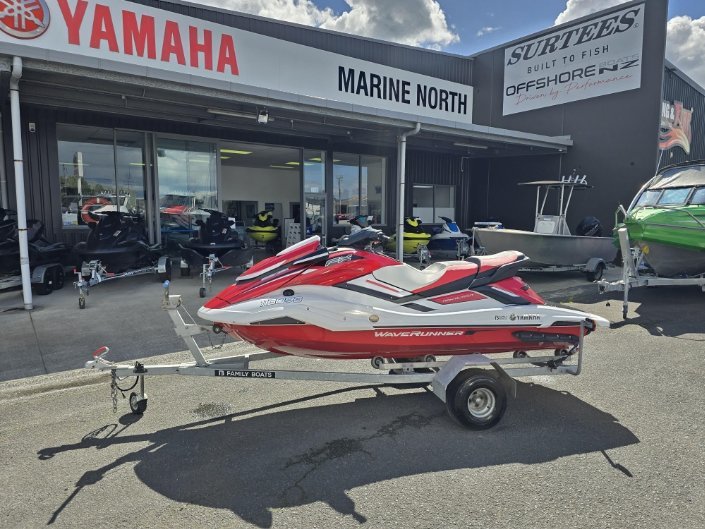
In practical terms, the GP SVHO is best suited for racing environments and adrenaline-driven riding, whereas the GP HO remains a versatile high-performance craft for both speed lovers and serious recreational riders. The GP HO offers a more accessible price point and operational simplicity while still delivering impressive speed and handling capabilities. Comprehensive Guide to the Yamaha Waverunner GP HO
For additional performance models, explore Water Jet Ski for Sale – Find Your Perfect Ride Today!
Looking for an exhilarating watercraft? Browse our selection of high-performance jet skis for sale. Whether you’re cruising, racing, or exploring, we have the right jet ski to suit your style and skill level.
Features:
– Brand New and Used Options
– Various Models & Sizes
– Affordable Prices
– Certified Servicing & Support
– Financing Options Available
Why Choose Us?
– Trusted Sellers with Genuine Listings
– Quality Guarantee on All Watercraft
– Expert Advice and Customer Support
– Convenient Location & Delivery Options
Contact Us Today!
Call Your Phone Number
Email: Your Email Address
Visit: Your Website or Location
Get ready to carve the waves with your new jet ski!(https://example.com/water-jet-ski-for-sale) to compare options and find the best fit for your riding ambitions.
V. Yamaha GP HO vs. Yamaha VX Limited HO
| Aspect | Yamaha GP HO | Yamaha VX Limited HO |
|---|---|---|
| Target Use | High-speed racing, performance riding | Family recreation, casual riding |
| Performance | Higher top speeds, rapid acceleration | Moderate speeds with greater stability |
| Engine | 1812cc High Output | 1049cc naturally aspirated |
| Hull Design | V-shaped, NanoXcel2 for speed and maneuverability | Deep hull for enhanced stability and ease of handling |
| Features | Auto Trim, adjustable handlebars, high-performance tow eye | Comfort-oriented features, accessories, simpler tech |
| Tradeoffs | Superior speed, higher operational costs, complexity | Affordability, user-friendly handling, less thrilling in high-speed use |
Choosing between these models depends on your riding priorities. The GP HO excels in speed and agility, making it suitable for racing enthusiasts, while the VX Limited HO offers stability and family-friendly features for recreational use.
VI. Use Cases and Real-World Scenarios
Speed Racing
The GP HO and SVHO thrive in competitive racing environments due to their supercharged engines and lightweight hulls. They deliver rapid acceleration and exceptional top speeds, especially on flat, open water where high RPM handling is critical.
Recreational High-Speed Riding
Both models provide exhilarating speeds, but their high fuel consumption requires mindful planning for extended rides. The GP HO strikes a good balance between performance and operational costs for speed enthusiasts. Comprehensive Guide to the Yamaha Waverunner GP HO
Tow Sports and Family Fun
Given their focus on speed, these models are less suited for tow sports or casual family outings unless modified for stability. The VX series offers better stability and handling characteristics for such activities. Comprehensive Guide to the Yamaha Waverunner GP HO
Long-Distance Touring
With limited fuel capacity and a design tuned for speed over comfort, the GP models are not ideal for long-distance touring. For extended trips, consider models with larger tanks and softer hulls designed for comfort. Comprehensive Guide to the Yamaha Waverunner GP HO
Customization & Accessories
Accessories like LinQ enable riders to personalize and load their watercraft, whether for race setups or leisure rides. Be mindful that extensive modifications, especially engine tuning, may impact warranties and reliability. Comprehensive Guide to the Yamaha Waverunner GP HO
VII. Honest Tradeoffs and Limitations
- Fuel Consumption: Supercharged engines consume over 20 gallons per hour at wide-open throttle, increasing operational costs compared to naturally aspirated models.
- Speed Regulation: US models include electronic speed limiters that restrict maximum speed, potentially limiting performance for speed enthusiasts.
- Material Durability: NanoXcel2 hulls are lightweight but more susceptible to damage from impacts or rough water; careful handling is essential.
- Complexity for Novices: Advanced features like auto trim and electronic controls require rider familiarity; beginners should start with less aggressive models.
- Modifications and Warranty: Proprietary engine management systems can limit aftermarket tuning options, possibly voiding warranties if altered improperly.
VIII. Common Questions and Misconceptions
Does more horsepower always mean better performance?
Not necessarily. While higher horsepower can improve top speed, handling, fuel costs, and rider comfort are equally important considerations. The GP SVHO may outperform in raw speed but requires higher skill and costs. Comprehensive Guide to the Yamaha Waverunner GP HO
Are supercharged engines reliable long-term?
Yes, with proper maintenance. However, superchargers add complexity and require diligent upkeep to prevent issues and ensure longevity.
How does the GP HO handle compared to other models?
Its lightweight hull and electronic trim systems offer precise control, but high-speed conditions and water variability can influence stability. Always ride within your skill level.
Is the GP HO suitable for beginners?
No. Its performance focus makes it more suitable for experienced riders. Beginners should start with models tailored for easier handling and safety. Comprehensive Guide to the Yamaha Waverunner GP HO
Will modifications void warranties?
Many proprietary systems limit aftermarket tuning; consult Yamaha’s policies and your dealer before making significant modifications.
How does fuel efficiency impact ownership costs?
High fuel consumption increases operational expenses and shortens riding time between refuels. Consider this when planning your budget for performance-oriented models. Comprehensive Guide to the Yamaha Waverunner GP HO
IX. Performance Technology Deep Dive
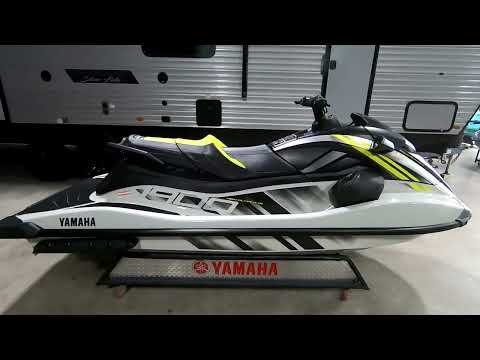
The 1812cc inline-4 High Output engine features Yamaha’s latest supercharger technology, providing rapid throttle response and high power delivery. The engine’s design balances performance with combustion efficiency, although it requires more frequent maintenance and higher fuel flow.
The NanoXcel2 hull material weighs approximately 20% less than traditional composites, significantly enhancing acceleration and maneuverability. Its V-shaped design offers improved handling at high speeds and around corners, especially on open water.
Electronic systems like the Auto Trim automatically adjust the running attitude, boosting stability and handling without rider input. Speed limiters comply with legal restrictions, balancing performance with safety and regulation compliance.
The integration of lightweight hulls and electronic controls results activev pulse golf cart 6p lifted in agile handling, allowing aggressive riding styles while maintaining safety and control. Comprehensive Guide to the Yamaha Waverunner GP HO
X. Market Trends and Industry Context
The demand for high-performance PWCs like the GP HO remains robust among racing communities and speed enthusiasts. Yamaha’s innovations, such as lightweight composites and advanced electronic systems, help maintain its industry leadership. Regulatory constraints and speed limiters influence design considerations, aiming to balance maximum performance with safety standards.
Consumer interests are increasingly focused on customization and connected technology, leading Yamaha to develop accessory ecosystems like LinQ. The industry continues to evolve toward models that combine performance, durability, ease of use, and compliance with safety regulations. Comprehensive Guide to the Yamaha Waverunner GP HO
XI. How to Choose the Right Model for Your Needs
- If your priority is speed and racing: The GP SVHO offers unmatched top speed, but expect higher fuel and maintenance costs.
- If you want high performance with manageable operational costs: The GP HO presents a compelling balance of speed and practicality.
- For casual riders or beginners: The VX series provides stability, ease of handling, and affordability, with less emphasis on raw speed.
- Consider long-term expenses: More powerful models entail higher fuel and maintenance outlays; assess your skill level and usage intentions.
- Future upgrades: Accessories like LinQ expand versatility but verify compatibility and warranty impact.
XII. Honest Verdict and Recommendations
For speed-focused riders and racers, the GP SVHO is the top choice, despite higher operational costs and complexity. The GP HO offers a high-performance experience suitable for serious enthusiasts seeking a balance between power and usability. Budget-conscious or recreational riders prioritizing stability and ease should consider models like the VX Limited HO.
Always test ride to ensure the model aligns with your riding skills and expectations. Remember to factor in long-term costs—including fuel, maintenance, and potential modifications—before making a purchase. Comprehensive Guide to the Yamaha Waverunner GP HO
XIII. Conclusion
The Yamaha Waverunner GP HO exemplifies cutting-edge PWC design, combining a powerful engine with lightweight materials and advanced electronic controls. It delivers exceptional speed and handling for experienced riders who prioritize performance, but understanding its operational tradeoffs is essential. Selecting the right watercraft depends on your riding goals, budget, and skill level. Thorough testing and honest assessment will help you find the best fit for exhilarating water adventures.
Summary
This guide has explored the Yamaha Waverunner GP HO’s technical features, performance capabilities, and ideal use scenarios. It has compared it with related models like the GP SVHO and VX Limited HO, highlighting their strengths and limitations. Key considerations include fuel consumption, handling, maintenance, and suitability for different riding styles. Making an informed choice ensures maximum enjoyment and safety on the water. Comprehensive Guide to the Yamaha Waverunner GP HO
Related Guides
- Water Jet Ski Buying Guide
- Kawasaki Jet Ski STX 160X 2025 Overview
- Finding Quality Used Jet Skis Near You
FAQ
Does more horsepower always mean better performance?
Not necessarily. While higher horsepower can increase top speed, handling, fuel efficiency, and rider experience are equally important. The GP SVHO’s greater speed may come at the cost of higher operational expenses and complexity. Comprehensive Guide to the Yamaha Waverunner GP HO
Are supercharged engines reliable long-term?
Yes, when properly maintained. Regular servicing and preventative care extend the lifespan of supercharger components and ensure consistent performance. Comprehensive Guide to the Yamaha Waverunner GP HO
How does the GP HO compare in handling?
Its lightweight NanoXcel2 hull and electronic trim systems allow for precise handling at high speeds. Water conditions and rider skill influence stability, so appropriate training is recommended.
Is the GP HO beginner-friendly?
No. Its performance-oriented design favors experienced riders. Beginners should gain confidence on less aggressive models before progressing to high-performance Watercraft like the GP HO. Comprehensive Guide to the Yamaha Waverunner GP HO
Will modifications void warranties?
Many proprietary systems can be affected by aftermarket tuning. Always consult Yamaha or your dealer before making modifications to understand warranty implications. Comprehensive Guide to the Yamaha Waverunner GP HO
How does fuel efficiency impact ownership?
The high fuel consumption of supercharged engines increases operational costs. Budgeting for regular refueling is 2024 yamaha superjet for sale essential for prolonged riding sessions.
